

Manga spreads joy across the world. But not every manga gets an official translation. Some never leave Japan in their original form. That is where scanlation groups step in. Olympus Scanlation is one of the names manga fans have seen over the years. These groups help bring stories to life for people who do not read Japanese.
Olympus Scanlation worked on many manga titles. They scanned, translated, and edited them so non-Japanese speakers could enjoy the stories. Their efforts opened doors for many readers. Fans waited for their updates and enjoyed their clean work. Their projects covered a wide range of genres, from romance to fantasy and drama.
This article explores Olympus Scanlation’s role in the manga world. It covers how they worked, why they mattered, and what happened to them. It also looks at the larger scanlation scene. Many fans love scanlation groups, but these teams face problems. Legal issues, burnout, and changes in the industry all play a part.
Let us take a closer look at Olympus Scanlation and the world of fan manga translation.
What Is Scanlation?
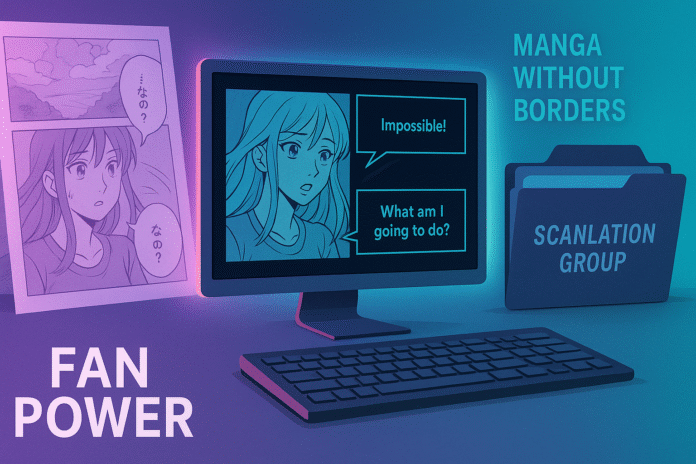
Scanlation means scanning and translating manga. It is a fan-made process. People scan pages from Japanese manga, translate the text, and edit the images. They then share the finished product online. Fans from many countries read these translated pages to enjoy new stories.
This work is unpaid. Scanlators do it because they love the manga. They want others to read stories that may never get official translations. Some fans wait years to read a series. Scanlation groups fill that gap.
Most scanlation teams have people doing different jobs. One scans the manga pages. Another translates the text. Someone edits the images and cleans the pages. A proofreader checks the final version before release. Each person plays a role in the group’s success.
Olympus Scanlation followed this model. They released full chapters with care and skill. Their fans appreciated the effort.
Who Were Olympus Scanlation?
Olympus Scanlation was a fan group. They focused on Japanese manga that lacked English versions. The group’s name became known in manga circles. Their goal was to make manga more accessible.
They worked on many titles. Some were unknown to global readers. Others had a small fan base. Olympus helped grow interest in those stories. They picked unique series, often with strong art and deep plots.
Their site listed current projects, release updates, and group news. Many readers followed their site or visited manga forums to get the latest releases. The group built a strong fan base through quality and consistency.
Their work showed care. Pages were clear. Translations flowed well. They kept the story’s mood and tone intact. That made them stand out from other scanlation teams.
How Did Olympus Scanlation Work?
Each chapter followed a process. Olympus Scanlation had a team for every task. First, they scanned the raw manga. Then the translator added the English text. After that, cleaners removed the Japanese words and adjusted the art. Then the typesetter added the new English text into the page bubbles.
Lastly, a proofreader checked the chapter. They corrected grammar, spelling, and formatting issues. This step made the final result smooth to read. The group then released the chapter on their website or shared it through manga hosting platforms.
Olympus Scanlation did not accept payment. Their site often reminded users they were not making money. They did it for love, not profit. They also asked fans to buy the official release if one became available.
This work took time. Some chapters took days. Others took weeks. But the result was worth it. Readers got quality work that matched or even beat some official releases.
Why Did Fans Support Olympus Scanlation?
Fans respected Olympus Scanlation for many reasons. First, they brought rare manga to life. Many of their projects had no English version. Their efforts made those stories available to a wider world.
Second, they cared about quality. Their edits looked clean. The translation made sense. They took time to do the job right. That made fans trust their work.
Third, they loved the stories they shared. This showed in how they handled each release. It was never rushed or careless. Fans could feel the passion behind every chapter.
Also, Olympus Scanlation listened to fans. They replied to comments. They kept their audience updated. They treated readers with respect, and readers returned that feeling.
The Fall of Olympus Scanlation
Nothing lasts forever. Olympus Scanlation eventually stopped. Like many scanlation teams, they faced pressure. This world is full of challenges.
One challenge is legal risk. Scanlation works without permission from publishers. That makes it a legal gray area. Japanese and Western publishers sometimes crack down on scanlation groups. Some sites get taken down. Others face legal notices. Teams like Olympus must stay careful.
Another problem is burnout. Scanlation takes time. Team members have jobs, school, and other duties. Over time, it becomes hard to keep up. Some teams shrink. Others stop completely.
There is also competition. Many new scanlation groups appear each year. Some rush out chapters to gain readers. That makes older teams feel overwhelmed. They may lose motivation or switch to easier hobbies.
Olympus Scanlation faded away over time. Some fans still remember them. Others moved on to new groups. But their work still lives on across the internet.
Scanlation and the Legal Debate
Scanlation creates debate. Some people support it. Others want it gone. Publishers argue that scanlation is illegal. It hurts official sales and breaks copyright law. They work hard to shut down scanlation sites and protect their business.
Fans, however, say something else. They believe scanlation helps manga grow worldwide. Some titles only became popular through scanlation. Once the fan base grew, publishers noticed and released official versions.
Scanlation can be a bridge. It helps unknown stories reach a bigger world. But it is still not legal. That puts groups like Olympus in a tough spot.
Most scanlators say the same thing. They will stop if the manga gets licensed. They also ask fans to support the official version when possible.
The Legacy of Olympus Scanlation
Olympus Scanlation left a mark. They showed what fan teams can do. Their clean work and rare picks made them special. Fans remember them with fondness.
Their projects helped shape the scanlation world. Other teams followed their model. They aimed for the same high standards. Olympus set a strong example.
Even after their end, their name still appears on manga sites. Readers continue to find and enjoy their past work. That shows how much they mattered.
Scanlation in Today’s World
Scanlation continues in 2025. New groups rise each year. Technology makes it easier to share files and build teams. But the risks remain. Legal action and burnout still take down many teams.
Some readers now use legal platforms. Sites like Manga Plus, VIZ, and Crunchyroll offer official translations. These services have improved a lot. But they still miss many titles.
Fans want more choices. They want fast releases, good translations, and access to rare manga. Until that happens, scanlation will remain part of the manga world.
Conclusion
Olympus Scanlation helped manga fans enjoy stories they could not read before. They worked with passion and skill. Their clean pages and rare picks made them a favorite in the fan world.
They did not last forever. Legal pressure and personal limits played a part in their end. But they showed what fans can do with teamwork and love for the art.
Scanlation brings joy and raises questions. It helps share stories but breaks rules. The debate continues. Readers must choose how they support the manga they love.
Olympus Scanlation may be gone, but their work lives on. They remind us that even fans can shape the world of manga.
