

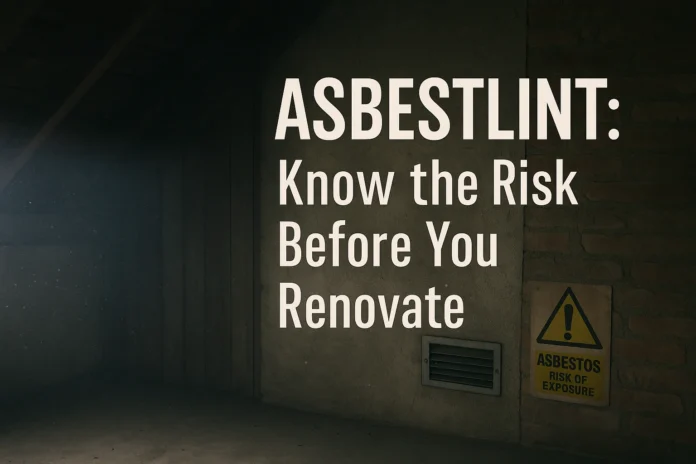
Asbestlint sounds unusual. Still, it describes a real danger. The word often refers to lint-like dust made from broken asbestos. This dust can float in the air and settle on surfaces. If disturbed, it can rise again. You might breathe it in without knowing.
Asbestos was once common in homes. Builders used it in walls, pipes, tiles, and roofs. It worked well. It blocked heat, resisted fire, and cost little. That made it a favorite. But over time, doctors linked it to serious health risks.
Many old homes still contain asbestos. When those materials crack, they can release tiny fibers. These may gather like lint in air vents, corners, or on floors. People now call that fine mix “asbestlint.” It may look like dust, but it carries hidden harm.
This guide helps you learn the facts. You will know where it hides, how to avoid it, and what steps to take. You can protect yourself and your family with simple care and clear action.
Why Asbestlint Puts You at Risk
Asbestlint may look like simple lint. It is not. It hides sharp, invisible fibers. These fibers can float in the air. You may breathe them in without knowing. They can pass deep into your lungs. Once inside, they do not leave. They stay trapped in your body for years.
The damage builds in silence. You may feel fine at first. You may have no signs for a long time. Then, years later, the harm may show. Doctors call this a delayed effect. That makes asbestlint more dangerous. It acts slowly but strikes hard.
Three major health risks stand out:
Asbestosis
This disease scars the lungs. The tissue becomes stiff. Breathing feels tight. The lungs lose strength. The damage grows with time. Once it begins, it cannot be reversed.
Mesothelioma
This is a rare but deadly cancer. It affects the lining of your lungs or stomach. It spreads fast. Doctors link it directly to asbestos. Even short exposure can cause it. It may not appear until 20 to 50 years later.
Lung Cancer
Asbestos raises the risk of lung cancer. If you smoke, the danger is even higher. The two risks feed each other. The cancer may grow for years before signs appear.
Even small contact can lead to harm. A few fibers can do damage over time. That is why dust from old materials must be treated with care. You cannot take chances. You cannot always see the threat, but it is real. That is why asbestlint must never be ignored.
Where Asbestlint May Be Hiding
You will not find asbestlint in new homes. It appears in older places. Buildings made before the 1990s carry the highest risk. This includes homes, schools, offices, and storage sites. Many still have parts made with asbestos.
Look closely in these spots:
- Around old pipes and pipe covers
- Inside cracked or hollow walls
- Beneath worn floor tiles or loose boards
- In attic spaces with loose-fill insulation
- Near roof sheets that show damage
- Around hot water units or boiler rooms
Asbestos breaks down over time. Heat, moisture, and age cause the surface to weaken. That makes fibers release into the air. Some of that fiber turns to powder. It collects in corners, ducts, or vents. You may see pale dust on the floor or shelves. It may look like soft lint or gray flakes.
Do not touch it. Do not sweep or wipe. Even a light brush can stir fibers into the air. You cannot see or smell the danger. Always treat strange dust in old spaces with caution.
How to Spot the Signs
Asbestlint hides in plain sight. You cannot see the fibers. They are too small. Even experts need lab tools to find them. Still, your eyes can catch the warning signs. You just need to know where to look.
Watch for these signs in older buildings:
- Dust or white flakes near insulation
- Cracks in old ceiling tiles or wall boards
- Fine powder under heaters or boilers
- Soft, fluffy material near pipe joints
- Musty or sharp smells near air vents
These signs may point to trouble. Do not touch the dust. Do not try to wipe or clean it. Even small movements can send fibers into the air. That puts your lungs at risk.
Keep calm and stay clear. Block off the area if you can. Then contact a licensed asbestos expert. They can test the dust and give you a clear answer. Trust their tools, not your guesswork.
Tecla: 3D-Printed Home That Could Change Your Living
What You Should Do Next
If you think you found asbestlint, stay calm. Do not panic or rush. But do not wait, either. You must act with care. The right steps can keep you safe.
Do Not Disturb It
Step away from the spot. Do not brush, touch, or poke the material. Even a small move can send fibers into the air. Keep others out. Let the dust stay where it is.
Shut the Area Off
Close all doors and windows in the room. Use tape or signs if needed. Make sure pets and people stay out. Keep air still. Do not run fans or vents near the dust. That could spread it around the building.
Call a Licensed Expert
Only trained asbestos workers can deal with asbestlint. They wear special gear. They use sealed tools. They follow safety laws. You can find these experts through your local health or safety office. In Ireland, use the Health and Safety Authority (HSA) website to search.
Listen to the Expert’s Plan
The expert may test the dust first. If it is asbestos, they will guide you. Some areas need sealing. Others need full removal. They will choose the safest way based on your home and the type of material.
Never Handle It Yourself
Do not try to sweep it. Do not use duct tape or towels. Do not vacuum it. Household tools do not stop the fibers. You will only spread them more. That puts your health at risk and could break the law. In many places, it is illegal to remove asbestos without a license.
Let the expert take over. Your job is to protect the space, call help, and wait for the plan. That is the smart way to stay safe.
What the Law Says
Asbestos is not just harmful. It is also a legal issue. Many countries treat it as a top safety risk. Ireland has strong laws to deal with it. These laws protect workers, families, and the public. The rules fall under the Safety, Health and Welfare at Work Act.
The law gives clear tasks to property owners and employers. If you want to fix or update an old building, you must check it first. A full asbestos survey must happen before work begins. Skipping this step puts you at legal risk.
Only licensed people can handle asbestos. You cannot seal, move, or remove it without the right license. This rule applies to homeowners, landlords, and builders. The work must be done with the right gear and training.
Employers must keep workers safe. If workers might face asbestos, the employer must act. That includes giving safety suits, clean tools, and full instructions. The work must follow a clear plan. No one should face this danger alone.
You cannot treat asbestos like normal waste. It must go to a site that accepts hazardous material. If you dump it the wrong way, you can get fined. Some cases go to court. These laws protect both people and the environment.
If you manage or own any building in Ireland, you must follow these rules. The law is strict. It leaves no room for shortcuts. These rules are clear and protect lives. Follow them to keep your site, your people, and your name safe.
How to Stay Safe at Home
Asbestlint does not pose a risk until it gets disturbed. The danger starts when the dust becomes airborne. You can stay safe with a few smart steps. These steps work best in older homes, especially those built before 1990.
Do not drill, cut, or sand parts of your home unless you know what is inside. Old walls, ceilings, and floors may contain asbestos. A simple hole can release hidden dust. That dust can spread fast without warning.
Check for signs of damage around old materials. Cracks, loose panels, or peeling walls may point to a deeper issue. Cover them until a trained expert can take a look. Never try to fix it on your own.
If you do not own the place, ask your landlord about past asbestos checks. You have a right to know. If no survey has been done, request one. Your safety depends on knowing what’s in the building.
Hire trained workers for any repair job. Make sure they carry a license to handle asbestos. They will know how to protect you and your home. Do not use handymen or untrained staff for this kind of work.
Keep all areas in good shape. Seal cracks. Watch for dust near vents, pipes, or attics. If you see signs of asbestlint, close the area off and get help fast.
You do not need to fear your home. You just need to treat old materials with care. A few clear steps today can protect your health tomorrow.
Final Thoughts
Asbestlint may look like nothing. But it is not just dust. It may come from old, broken materials that carry deep health risks. Many people live with it and do not know. That makes it even more important to learn and act.
You do not need to fear your home. But you do need to stay smart. Look for signs. Take safe steps. Ask for help when needed. A clean, healthy home starts with good care and wise choices.
You cannot see the danger, but you can stop it. Awareness is the best defense.
Read More: How Does Improper Waste Disposal Affect the Environment?
